

Water treatment and testing
Meticulously filtering and treating drinking water for Northern Rivers communities.
Two treatment plants
Rous operates two water treatment plants (WTP) to filter and treat the water from our dams and river sources: the Nightcap WTP and Emigrant Creek WTP.
Nightcap water treatment plant
Water from Rocky Creek Dam and the Wilsons River Source is treated at the Nightcap WTP. The plant is situated beside Rocky Creek Dam, 200 metres above sea level in the Nightcap Range. Water from the Wilsons River does not enter Rocky Creek Dam but is piped separately into the plant.
Nightcap WTP was built in 1994 with major upgrades in 2000, 2006 and 2008. The plant utilises conventional processes together with advanced ozone and activated carbon treatment. It has a current capacity of 70 megalitres per day with provision to upgrade to 100 megalitres per day if required in the future.

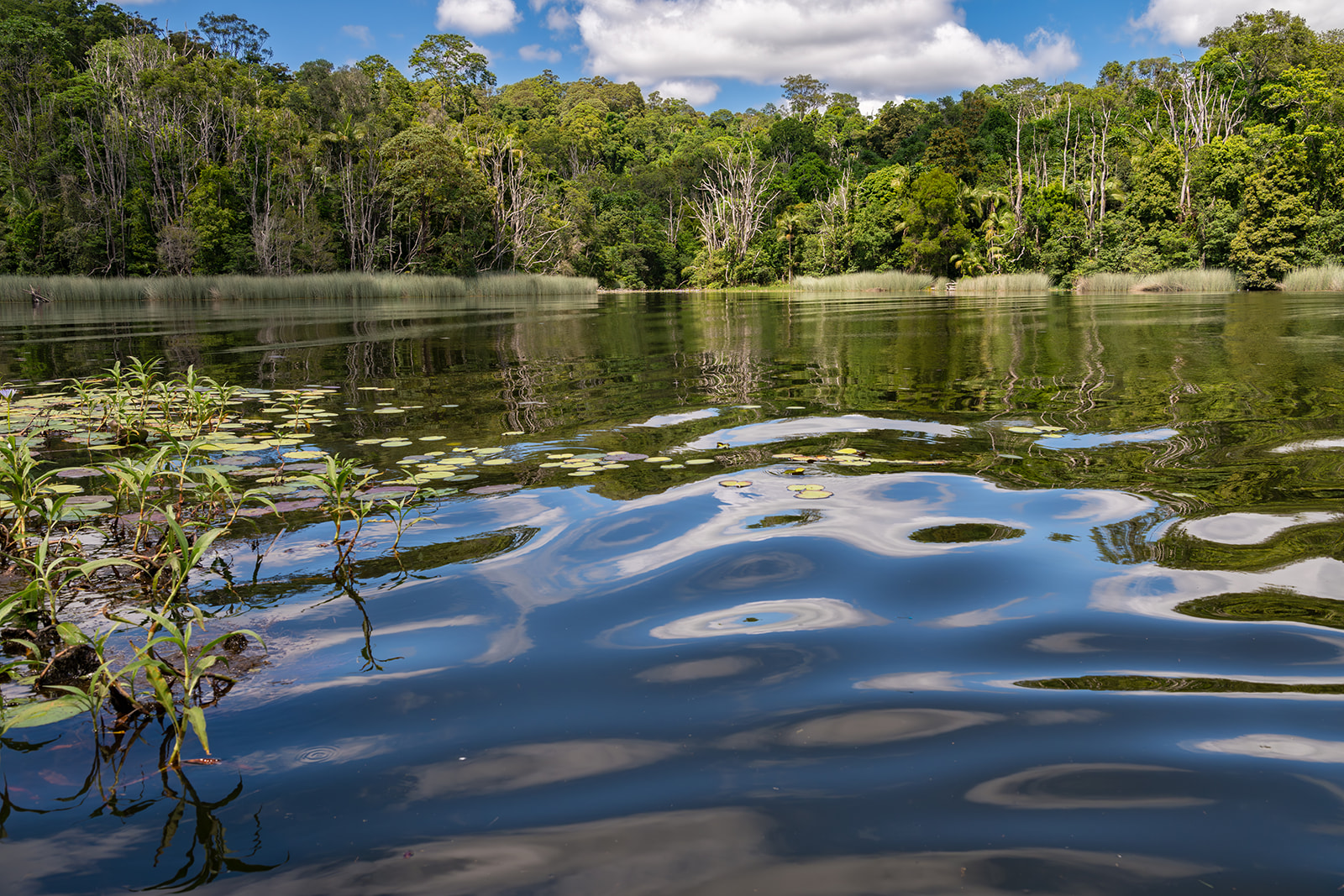
Emigrant Creek Dam water treatment plant
The Emigrant Creek Dam WTP was constructed in 2005 to treat the water from neighbouring Emigrant Creek Dam and replaced the Knockrow filtration plant. The plant utilises membrane filtration technology together with advanced ozone and activated carbon treatment. It can process up to 7.5 megalitres per day and supplements water from Nightcap WTP to supply the Lennox Head and Ballina areas.
Water quality standards
Rous manages the treatment and testing of water to ensure it meets the standards set by the Australian Drinking Water Guidelines (ADWG).
The four standards
The ADWG describes water quality standards under four main categories.
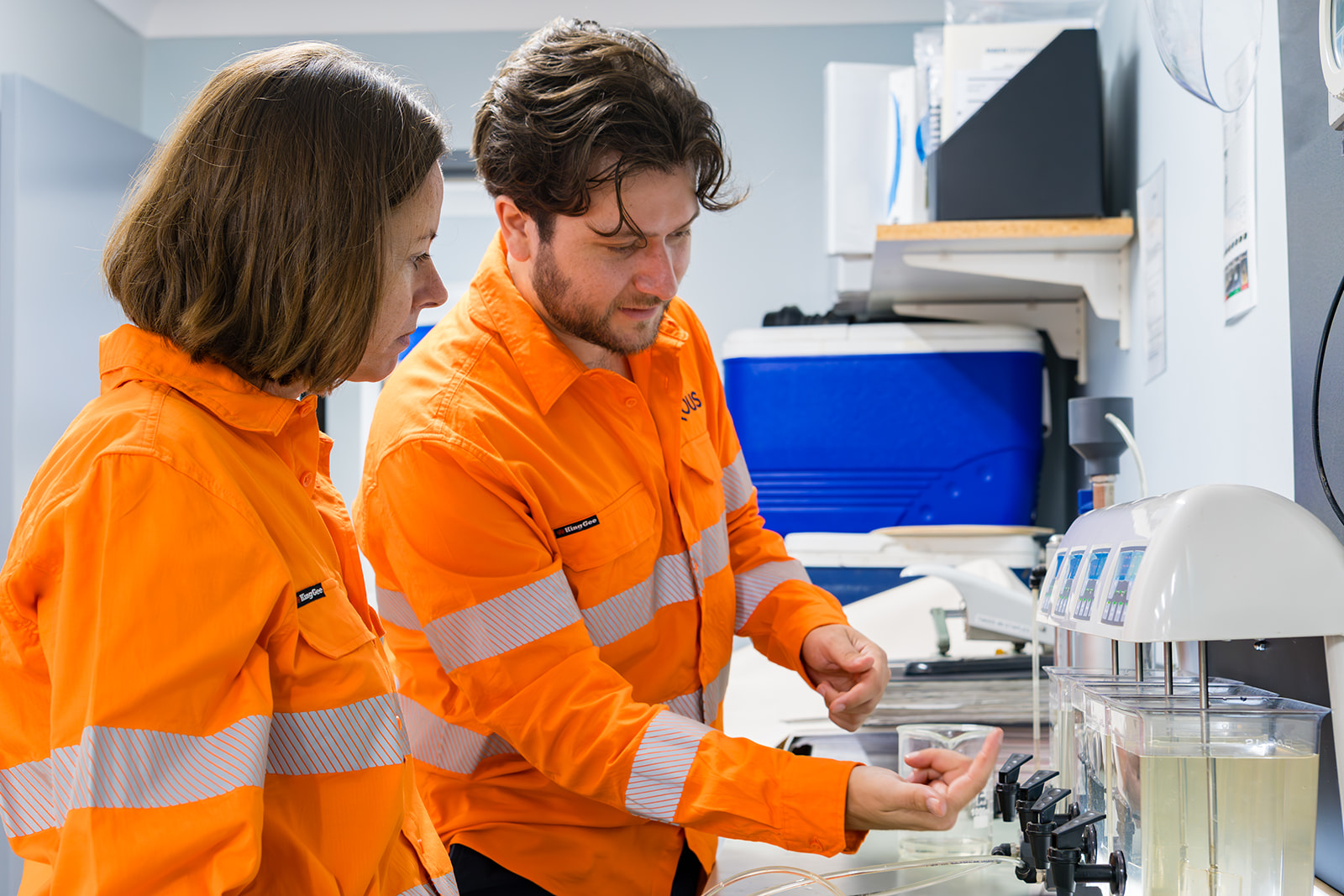
Microbial quality
Testing the microbial quality helps ensure there are safe levels of microbes in the water. This includes disease-causing microorganisms, or pathogens, as well as blue-green algae and other nuisance organisms that are not harmful to health but may cause problems of taste, odour, colour, scaling, or corrosion.
Pathogens include bacteria, viruses and single-celled parasites such as Giardia, are natural parts of healthy ecosystems and play important roles breaking down organic matter. Levels of these pathogens must be kept below a safe standard to avoid causing gastric disorders.

Physical quality
This includes characteristics such as colour, taste and odour, suspended solids, pH, temperature and hardness. The ADWG state that water needs to be ‘acceptable to most people’. This means that it needs to be ‘clean and sparkling’ and people generally find drinking water unacceptable well before the values of contaminating substances indicate a health threat. This can mean more expensive and energy-intensive treatment in order to get water to an aesthetically desirable quality.

Chemical quality
Inorganic chemicals can come from a variety of sources such as natural leaching of iron and manganese, dissolved salts from land use activities, small amounts of carryover from treatment chemicals, addition of chemicals such as chlorine and fluoride, and corrosion of pipes and fittings. Iron levels are particularly high in the source water in all Rous catchment areas because of the volcanic nature of the geology (ie, ‘red’ basalt soils). Manganese levels are also high. Neither element is a threat to health but they make the water look dirty and can stain bathroom and laundry fittings.
Organic compounds and pesticides can be present from natural processes, human activities, or as a by-product of the disinfection process. Water coming from catchments where agricultural chemicals such as herbicides and pesticides are used may contain traces of organic chemicals. Road run-off can result in hydrocarbons entering the water supply.
Radiological quality
Organic compounds and pesticides can be present from natural processes, human activities, or as a by-product of the disinfection process. Water coming from catchments where agricultural chemicals such as herbicides and pesticides are used may contain traces of organic chemicals. Road run-off can result in hydrocarbons entering the water supply.
Learn more about water treatment
For more information on the treatment processes and chemicals used at both the Nightcap Treatment Plant, and the Emigrant Creek Dam Treatment Plant, please see the below information sheets:
